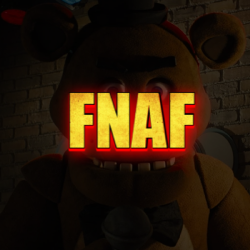
FNAF Game 26 лет
О себе
Five Nights at Freddy’s: A Comprehensive Look at the Phenomenon
Five Nights at Freddy’s (FNaF), created by indie developer Scott Cawthon and first released in 2014, is a landmark series in modern horror gaming. Built on minimalist mechanics, tense atmosphere, and an intricate, fan-driven lore, FNaF has grown from a single indie title into a multimedia franchise including sequels, spin-offs, books, and a film adaptation. This article examines the series’ design, storytelling, cultural impact, criticisms, and enduring appeal. 
Overview and core mechanics
The original FNaF premise is simple: the player works as a night security guard at Freddy Fazbear’s Pizza, monitoring security cameras and managing limited power to survive five nights against animatronic characters. Gameplay emphasizes resource management, spatial uncertainty, and jump scares. Subsequent entries kept the core tension but varied mechanics: FNaF 2 removed doors and added a mask for disguise; Sister Location introduced scripted sequences and movement between rooms; Pizzeria Simulator blended tycoon elements with survival; Security Breach expanded to a larger, free-roam environment with stealth gameplay. The series excels at using minimal interactivity to create sustained anxiety. Restriction (camera usage, power limits, limited movement) forces players to choose when and where to act—heightening suspense.
Narrative and lore
Beyond the surface jump scares, FNaF became famous for a cryptic, layered narrative delivered through scattered minigames, cryptic audio logs, easter eggs, and community theorizing. Central themes include haunted animatronics, missing children, corporate malfeasance, and cycles of trauma and revenge. The fragmented storytelling encourages active fan participation in deciphering timelines and character identities. This approach produced a collaborative culture of theorycrafting, where fans piece together lore from subtle clues—extending engagement far beyond play sessions.
Aesthetic and sound design
Visual design balances cartoonish animatronics with uncanny, decayed textures—creating a tension between childhood nostalgia and menace. Sound plays a vital role: sparse music, mechanical groans, radio static, and sudden audio cues cue dread and signal danger. The absence of constant background music often amplifies silence as a tool for tension.
Cultural impact and community
FNaF’s success spawned a prolific fanbase: fan art, mods, machinima, theory videos, and fan games. This participatory culture has amplified the series’ reach and longevity. The franchise’s accessibility—simple controls, short play sessions, and strong viral potential—helped it spread across streaming platforms and among younger audiences. The books and movie broadened the mythos and introduced FNaF to non-gaming audiences, though adaptations received mixed reactions from core fans.sch/