
Nyt Wordle 24 лет
О себе
Wordle (NYT): A Brief, Balanced Exploration
Wordle Nyt, now owned and operated by The New York Times (NYT), is a deceptively simple daily word-guessing game that captured global attention after its 2021 creation by Josh Wardle. In this article I’ll outline what Wordle is, why it became a phenomenon, the implications of its NYT acquisition, and the main criticisms and defenses of the game. 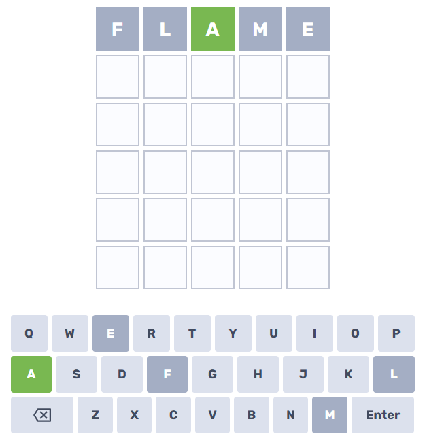
What Wordle is and how it works
Players have six attempts to guess a hidden five-letter English word. After each guess, tiles change color: green for correct letter in correct position, yellow for correct letter in wrong position, and gray for letters not in the answer. There is one puzzle per day, shared globally, which encourages a communal experience and social sharing (often as an emoji grid).
Why it became popular
Simplicity: clear rules and a single daily puzzle lower friction for casual play. Shareability: the emoji sharing format is compact, recognizable, and spoiler-resistant. Scarcity: one puzzle per day creates anticipation and a shared ritual. Accessibility: no ads, no accounts initially, and intuitive gameplay drew diverse players. Social dynamics: friendly competition and communal problem solving on social media increased visibility.
NYT acquisition: pros and cons
Pros: Stability and resources: NYT can maintain and scale the service, integrating it into a broader puzzle ecosystem. Professional stewardship: ensuring the game’s longevity and possibly adding editorial oversight for word selection. Cons: Commercialization concerns: users worried about paywalls, data collection, or features behind subscriptions. Cultural shift: some felt the game became less “grassroots” after acquisition. NYT’s approach so far: the core free experience (one daily Wordle) has been preserved. NYT has also integrated Wordle into its Games section, contributing to cross-traffic and subscriptions, which some users accept as fair trade; others remain skeptical.
Design, cognitive and social effects
Cognitive benefits: vocabulary practice, pattern recognition, and deductive reasoning—beneficial but limited in scope. Social benefits: shared rituals and conversation starters; team play and variants (e.g., Quordle, Dordle) expand engagement. Potential negatives: some players report frustration, mild obsession with streaks, or social pressure to solve daily puzzles.
Criticisms and counterarguments
Repetition and predictability: critics say repeated structure can feel stale. Counter: many enjoy the ritual and occasional surprises in word choice. Accessibility of solutions: non-native speakers or people with smaller vocabularies may find it exclusionary. Counter: Wordle can be a gentle learning tool, and community lists or hints help. Single word limit: limits depth of gameplay. Counter: the constraint is part of its charm